























A Gentle Guide to Herbal Teas: Types, Benefits & Things to Keep in Mind
Author: Sunnybrook Date Posted:17 November 2025
A Gentle Guide to Herbal Teas: Types, Benefits & Things to Keep in Mind
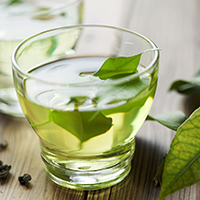
Whether you’re winding down after a long day or looking for a comforting, caffeine-free alternative to your usual cuppa, herbal teas offer a soothing world of aromas, flavours, and natural benefits. Unlike traditional teas made from the Camellia sinensis plant, herbal teas are usually infusions of dried flowers, leaves, roots, and seeds—each bringing its own character and wellness properties.
Let’s dive into some popular herbal teas, what they’re known for, and a few important things to remember before making them a daily ritual.
Chamomile Tea
Chamomile is one of the most beloved herbal teas, famous for its gentle, calming properties.
Potential benefits:
-
Supports relaxation and better sleep
-
Soothes mild digestive discomfort
-
Often used for calming nerves
Its light, floral flavour makes it a perfect pre-bedtime companion.
Peppermint Tea
Refreshing and cooling, peppermint tea is a staple in many households.
Potential benefits:
-
Eases digestive upset and bloating
-
May help relieve headaches due to its menthol component
-
Acts as a natural breath freshener
Peppermint tea is invigorating yet caffeine-free—great for an afternoon lift without the jitters.
Nettle Tea
Nettle leaves are packed with nutrients, giving this tea a reputation as a nourishing tonic.
Potential benefits:
-
Rich in minerals like iron and magnesium
-
Traditionally used to support joint comfort
-
May help with mild seasonal allergies
Despite its prickly plant of origin, nettle tea has a mild, earthy flavour.
Dandelion Tea
Dandelion tea can be made from either the root or the leaf, each offering something unique.
Potential benefits:
-
Supports healthy digestion
-
Root-based brews are often used for liver wellness
-
Can act as a mild, natural diuretic
It has a slightly roasted, nutty flavour, especially when made from the roots.
Liquorice Tea
Naturally sweet and soothing, liquorice root tea is often used in herbal blends.
Potential benefits:
-
Soothes the throat
-
Can help with digestive discomfort
-
Naturally sweet without added sugar
Note: Liquorice tea can raise blood pressure for some people, so moderation is important.
Ginger Tea
Zesty, warming, and invigorating, ginger tea is both flavourful and functional.
Potential benefits:
-
Supports digestion and can ease nausea
-
Naturally warming—great for cold days
-
Has antioxidant properties
Ginger tea is perfect when you need a pick-me-up that feels both spicy and comforting.
Hydration Benefits (and How They Compare to Tea & Coffee)
Many people don’t realise herbal tea can contribute significantly to daily hydration. Unlike black tea or coffee—which contain caffeine and can be mildly dehydrating for some—herbal teas are naturally caffeine-free. This means they hydrate the body much like plain water, while also offering flavour and wellness benefits.
You can enjoy multiple cups of herbal tea throughout the day without worrying about caffeine jitters or diuretic effects (with a few exceptions such as dandelion tea, which can have a mild diuretic action).
Important Considerations
While herbal teas are natural, they’re still potent plant preparations. A few things to keep in mind:
-
Some herbal teas can interact with medications.
For example, liquorice may affect blood pressure medications; St. John’s Wort (not listed above, but common in stores) interacts with many prescriptions; and chamomile can interact with blood thinners. -
If you’re pregnant, breastfeeding, or have a medical condition, consult your doctor or pharmacist before drinking large amounts of herbal tea.
-
More isn’t always better. Even simple herbs can have strong biological effects when consumed in high quantities.
-
If you experience any unusual symptoms, stop drinking the tea and seek medical advice.


